CrowdStrike Flags Surge in Vishing, AI-driven cyberattacks
For years, organizations have trained employees to be cautious of suspicious emails and unfamiliar links. Today, that advice is no longer enough.
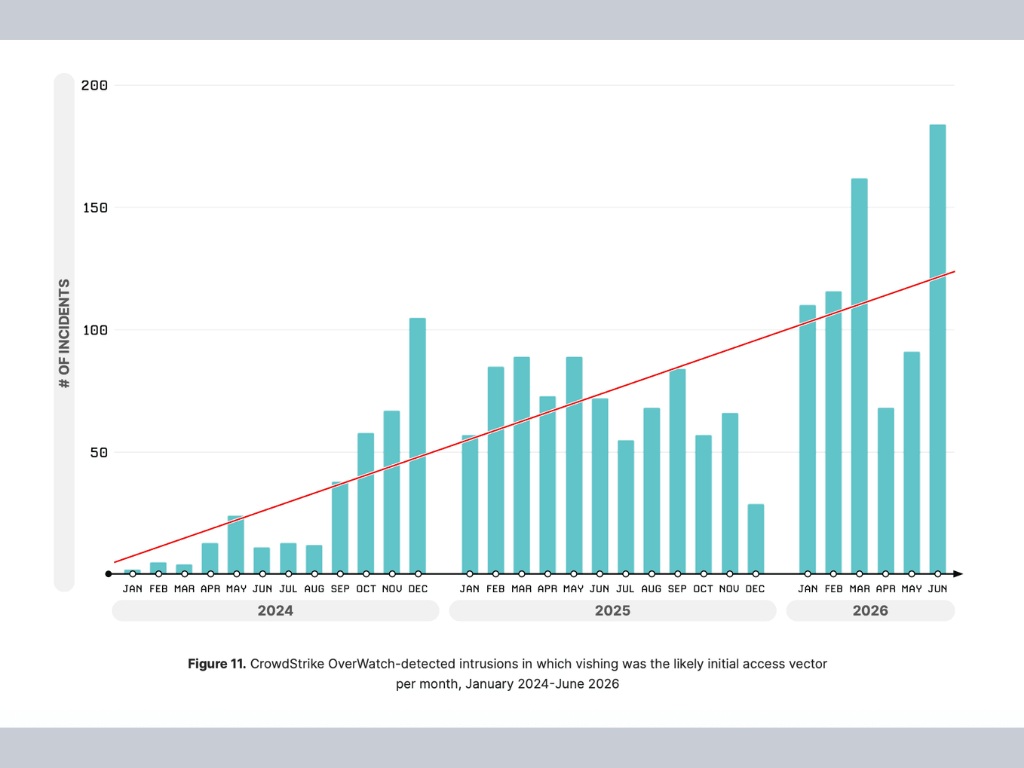
Cybersecurity researchers are seeing a shift in how attackers operate. Instead of relying solely on phishing emails or malicious attachments, they are increasingly using AI to make social engineering attacks more believable. One tactic gaining momentum is voice phishing, or "vishing," where cybercriminals impersonate trusted individuals over the phone to persuade employees to reveal sensitive information or perform unauthorized actions.
This growing trend was recently highlighted by CrowdStrike, which reported a surge in AI-assisted cyberattacks targeting organizations worldwide. As generative AI becomes more accessible, attackers are finding new ways to create convincing conversations, imitate legitimate requests, and manipulate human trust with greater speed and sophistication.
What makes these attacks particularly challenging is that they don't begin with a technical vulnerability. They begin with a conversation.
A phone call that sounds urgent. A request that appears routine. A familiar tone that lowers suspicion. In many cases, technology isn't the first line of defense, people are.
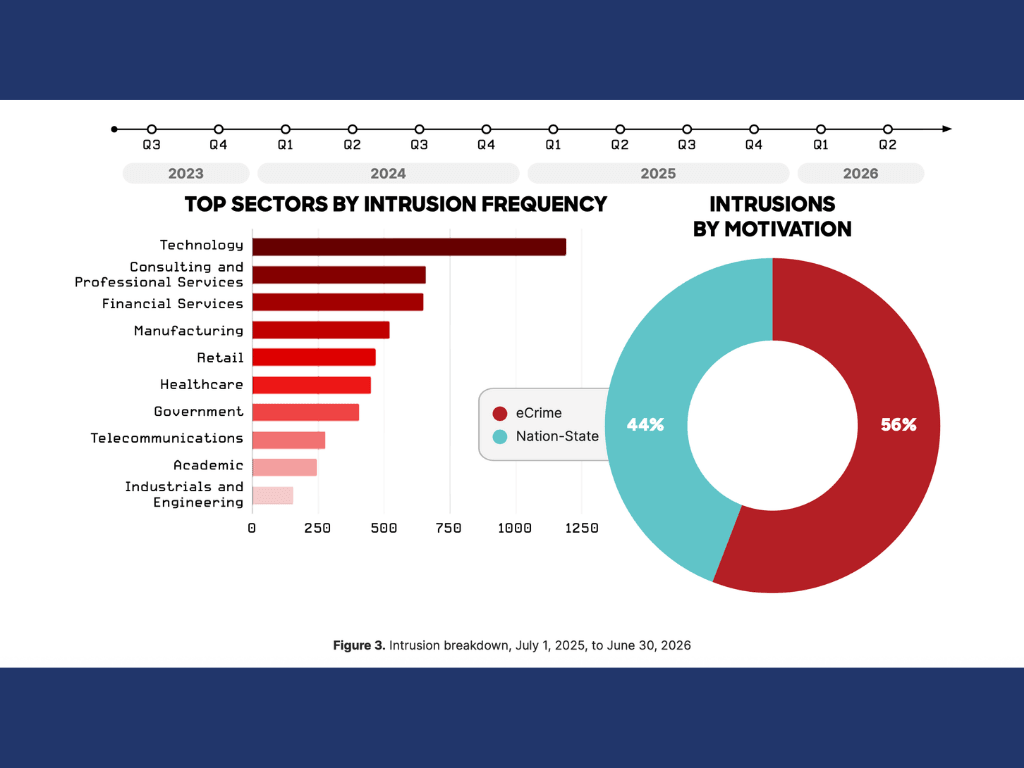
While financial institutions remain among the most targeted sectors, the reality is that no industry is immune. Any organization that relies on digital collaboration, cloud platforms, or distributed teams faces similar risks. As businesses continue to embrace digital transformation and AI-powered tools, the same technologies enabling innovation are also being leveraged by cybercriminals.
This changing landscape is prompting organizations to rethink what cyber resilience means. Traditional security controls remain essential, but they must be complemented by strong identity protection, continuous threat monitoring, and ongoing employee awareness. The goal is no longer just to prevent attacks, but to recognize and respond to them before they become business disruptions.
The rise of AI-driven vishing is a reminder that cybersecurity is no longer only about protecting systems. It's about protecting the decisions people make every day.
As attackers continue to evolve, organizations must do the same. Investing in modern cybersecurity solutions, strengthening security awareness, and adopting a proactive security strategy are becoming essential steps toward building resilience in an AI-driven world.
The question is no longer whether AI will change cybersecurity. It already has. The real question is whether organizations are prepared for what comes next.