RESOURCES > BLOGS

The Future of Customer Communication: Why Omnichannel Is Becoming the New Standard in the Philippines

July 31, 2026 | blogs

Imagine a customer trying to book a medical appointment. They send a message through Viber during their lunch break but become busy before receiving a reply. Later that evening, they continue the conversation through the company's website. The next morning, they call the customer service hotline to confirm their appointment.

From the customer's perspective, it is one conversation.

From the business's perspective, however, it often becomes three disconnected interactions.

The customer repeats their name, explains the situation all over again, and answers the same questions multiple times. What should have been a simple experience becomes frustrating, not because the company failed to respond, but because its communication channels were never connected.

This scenario is becoming increasingly common across the Philippines. Whether people are ordering products online, scheduling healthcare appointments, contacting their bank, or requesting government services, they expect businesses to remember who they are and continue conversations seamlessly, regardless of the channel they choose.

The expectation has changed. Customers no longer think in terms of phone calls, emails, or messaging apps. They simply expect businesses to be available wherever they are.

The Filipino Customer Is More Connected Than Ever

The Philippines continues to be one of the world's most digitally engaged countries. Mobile devices have become the primary gateway for communication, while messaging applications such as Viber and WhatsApp have become part of everyday life. At the same time, voice calls remain essential for urgent concerns, and email continues to play a vital role for formal business communication.

Customers naturally move between these channels throughout the day. They may discover a business through social media, inquire through messaging apps, receive an SMS confirmation, and complete their transaction over the phone.

To customers, this journey feels natural.

For many organizations, however, supporting these interactions is far more complicated. Different departments often manage different communication platforms. Customer information is scattered across multiple systems, making it difficult for agents to understand previous interactions. Instead of delivering a connected experience, businesses unintentionally create communication silos.

As competition increases, these fragmented experiences become more noticeable. Customers are more likely to remain loyal to businesses that make communication effortless than those that simply offer the lowest price.

Omnichannel Is More Than Having Multiple Communication Channels

Many organizations believe they have already embraced omnichannel communication because they offer several ways for customers to get in touch.

They have a hotline.
They have email.
They have SMS.
They have Viber.
They even have live chat.

But offering multiple channels is only the beginning.

True omnichannel communication ensures every interaction is connected. A customer who starts a conversation through Viber should not need to explain everything again when calling the contact center. An inquiry submitted through a website should already be visible to the next available customer service representative. Every conversation becomes part of a single customer journey rather than isolated interactions.

When communication is unified, businesses gain a complete understanding of every customer relationship. Agents spend less time searching for information, response times improve, and customers feel recognized instead of repeatedly identified.

The result is a better experience for everyone involved.

Why Businesses Are Rethinking Customer Engagement

Across industries in the Philippines, organizations are recognizing that customer experience has become a key business differentiator.

Despite serving different industries, these organizations share a common goal: making communication easier, faster, and more consistent.

Achieving that goal requires more than adding another messaging platform. It requires a communication strategy that connects every customer touchpoint into one unified experience.

This is where cloud communications are transforming how businesses engage with customers.

Instead of managing separate systems for voice, messaging, contact centers, and customer engagement, organizations are increasingly adopting unified cloud platforms that bring these capabilities together.

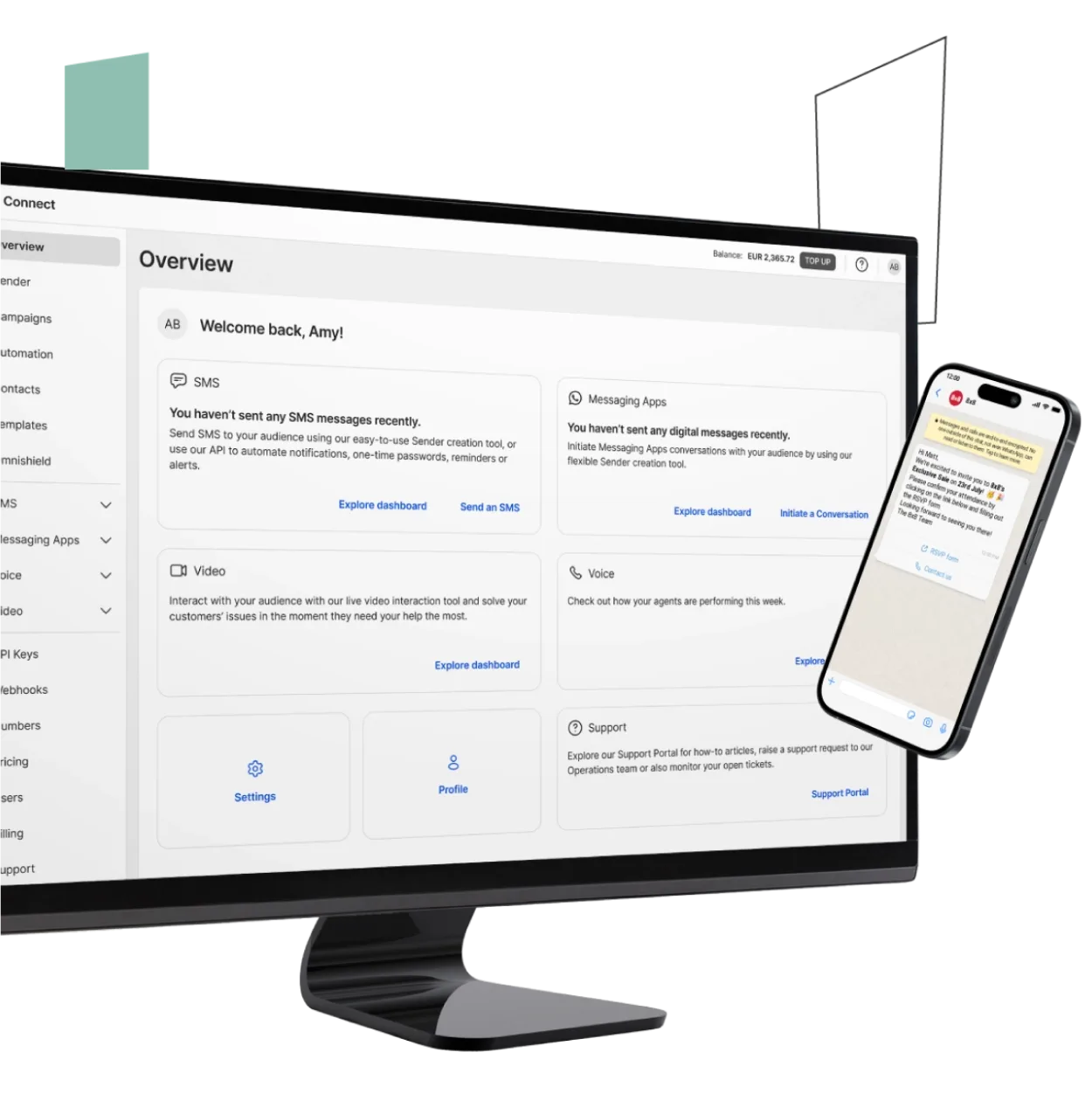
8x8 enables businesses to manage customer interactions across voice, SMS, Viber, WhatsApp, live chat, and other digital channels through a single platform. Rather than switching between disconnected applications, customer service teams gain a complete view of every conversation, regardless of where it began.

A customer who sends an inquiry through Viber can continue the conversation over the phone without losing context. An SMS notification can seamlessly lead to a live conversation with a customer service representative. Marketing campaigns, appointment reminders, one-time passwords, delivery notifications, and customer support all become part of one connected communication ecosystem.

For organizations looking to improve customer engagement, this unified approach helps reduce operational complexity while delivering a more personalized customer experience.

Communication Is Becoming a Business Strategy

Customer communication is no longer just the responsibility of a contact center.

It influences sales, customer retention, operational efficiency, and brand reputation.

Organizations that understand how customers prefer to communicate are better positioned to respond quickly, personalize every interaction, and build stronger long-term relationships. Communication is evolving from a support function into a strategic advantage that directly impacts business growth.

As digital expectations continue to rise, businesses that rely on disconnected systems may struggle to keep pace with changing customer behavior. Those that invest in unified communication platforms will be better equipped to meet customers wherever they are and continue conversations without interruption.

Helping Philippine Businesses Build Better Customer Experiences

At One Depot, we understand that modern communication is about creating meaningful customer experiences, not simply deploying new technology.

By helping organizations implement cloud-based communication and customer engagement solutions powered by 8x8, we enable businesses to simplify collaboration, modernize contact centers, and connect customers across the channels they use every day. Whether through voice, SMS, Viber, WhatsApp, or digital messaging, organizations can create seamless conversations that improve responsiveness, strengthen customer relationships, and support long-term business growth.

The future of customer communication is not about adding more channels.

It is about making every conversation feel like the same conversation.

When businesses achieve that, communication becomes more than a service, it becomes a competitive advantage.